Remembering Gerry Conway, 1952-2026
Marvel pays tribute to the legendary comic book writer who redefined comics storytelling throughout his prolific career.
On behalf of his family, we are sad to share that writer and former editor-in-chief Gerry Conway has passed away. Gerry was a tremendous icon in comics who shaped pop culture itself. He was a dear friend, partner, and mentor, and our hearts are with his family and the millions he touched through his work. Marvel extends its sincerest condolences to all who knew and loved him.
"Gerry Conway was a gifted writer. He was thoughtful, deeply attuned to the emotional and moral core of storytelling, and a wonderful and articulate advocate for comics and creators. His writing has inspired all of us at Marvel, and will continue to inspire generations of writers, readers and fans to come," remembers Dan Buckley, President of Marvel Comics and Franchise.
"From Spider-Man to the Avengers, Iron Man to Captain Marvel, Gerry Conway has deftly written almost every character in the Marvel Universe," reflects Marvel Comics Editor-in-Chief C.B. Cebulski. "He thrilled us with new characters like the Punisher and broke our hearts in emotional tales like ‘The Night Gwen Stacy Died,’ a story that affects Spider-Man to this day. Gerry Conway's legacy has made an undeniable and indelible impact on the Super Hero stories we know and love.He will be dearly missed."
"Gerry Conway brought real stakes to his writing, able to weave together sensational super heroics with the human and relatable, and in doing so created some of the most memorable stories and characters of all time," shares Marvel Studios President Kevin Feige. "His writing has been hugely impactful across our comics, but it has also inspired so much of what we’ve done on screen, from Werewolf by Night to Daredevil to Spider-Man and Punisher. Gerry was a wonderful collaborator and friend to so many and will be dearly missed."
"I am devastated by the loss of Gerry," says actor, writer, and producer Jon Bernthal, who brought the Punisher to life on screen. "A beautiful human being, and an incredible writer who has inspired so many."
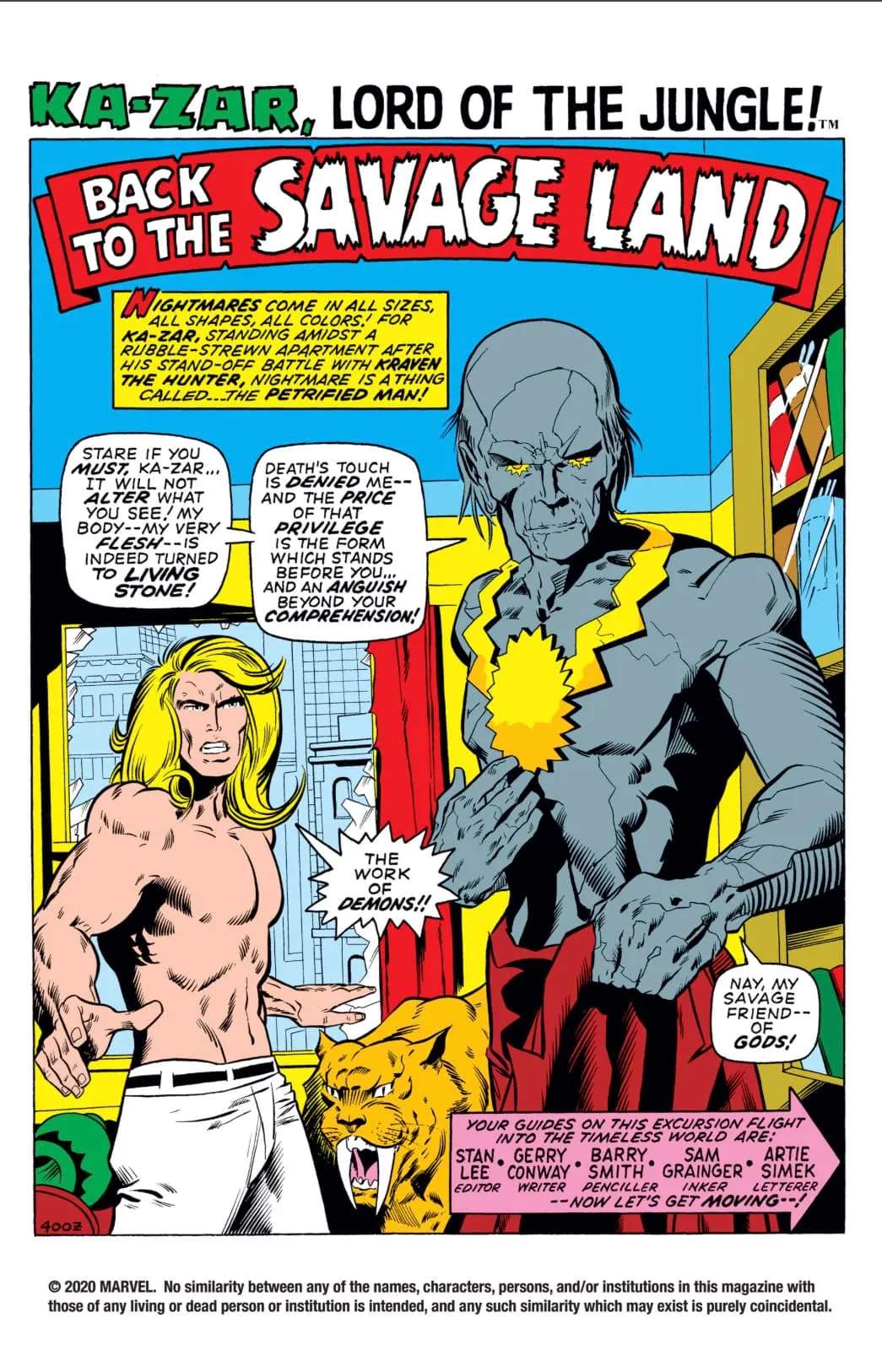
Gerry Conway was born in Brooklyn on September 10, 1952, and was a lifelong fan of comic books, even writing a fan letter that was published in FANTASTIC FOUR (1961) #50. By the age of 16, Conway started writing published comic book stories himself, making his debut with short stories for major publishers, such as Marvel’s CHAMBER OF DARKNESS and TOWER OF SHADOWS (1969). Before he was 20, Conway started writing longer-form stories in ASTONISHING TALES (1970) #3, penning an adventure in which Ka-Zar confronted the Petrified Man.
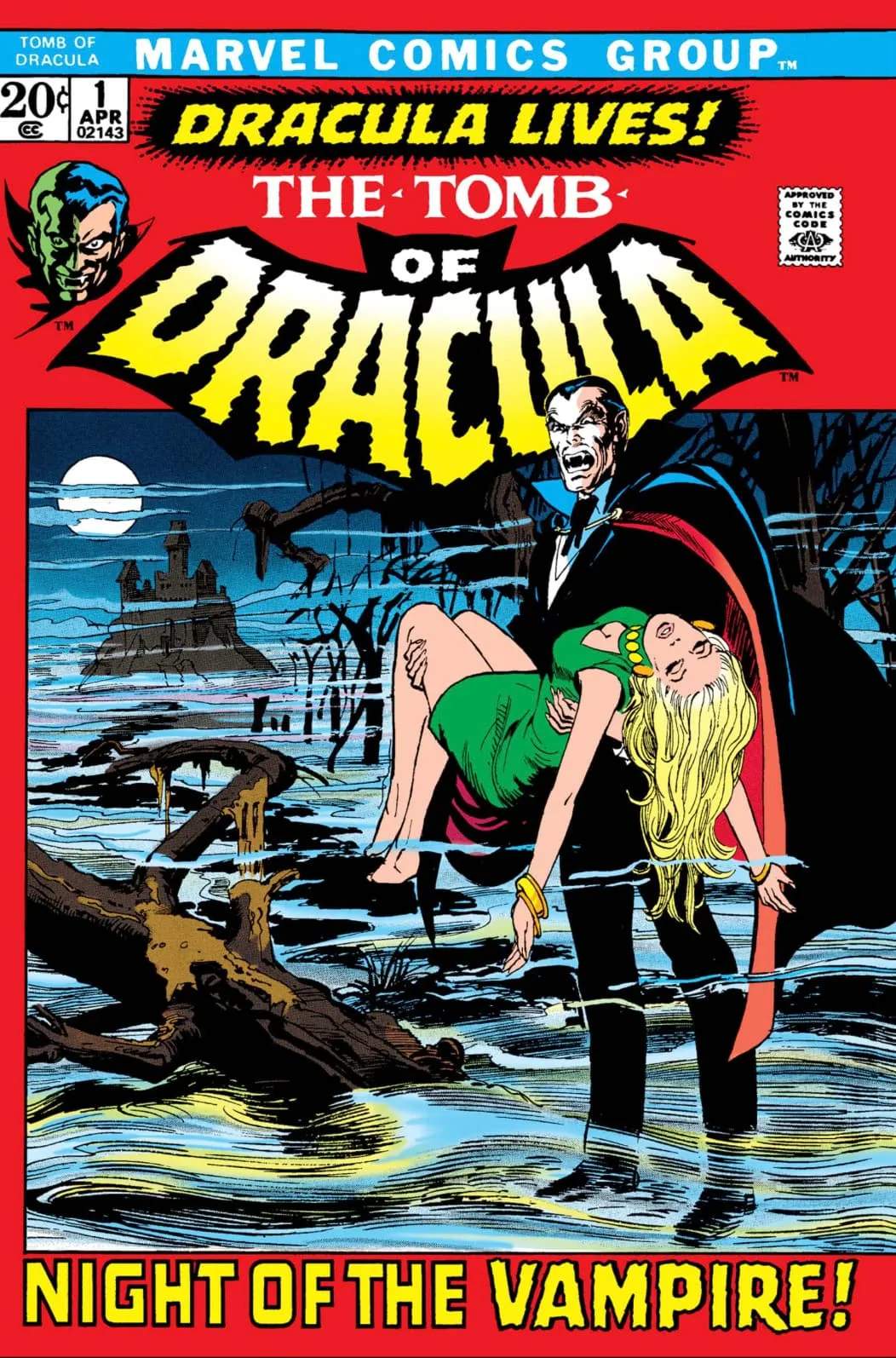
By 1971, Conway began writing full Super Hero stories for Marvel, adding to the mythos he loved. He took the reins of DAREDEVIL (1964) #72 and also wrote several issues of IRON MAN (1968) and THE INCREDIBLE HULK (1962). The prolific writer expanded his repertoire by later bringing more overt horror elements into the Marvel Universe, scripting darker stories with the debut issues of both SAVAGE TALES (1971) #1 and TOMB OF DRACULA (1972) #1. With SAVAGE TALES (1971), Conway co-created the monstrous Man-Thing, while in TOMB OF DRACULA (1972), he helped bring Marvel’s own distinct iteration of the classic vampire, Dracula, to life. Over in MARVEL SPOTLIGHT (1971) #2, which Conway penned, he introduced the Marvel Universe’s most prolific lycanthrope with Werewolf by Night.
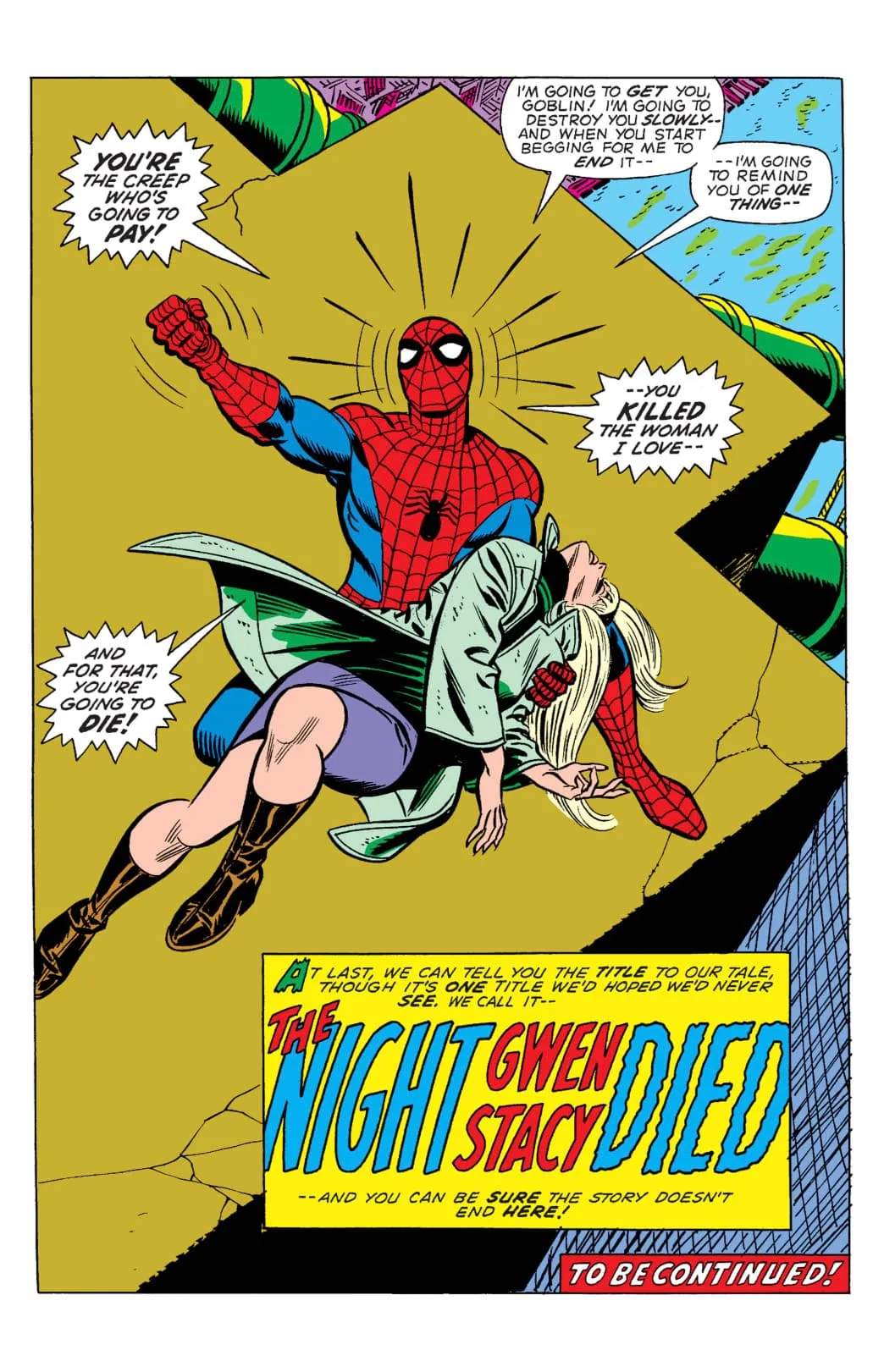
But it was at the age of 19 that Conway received the job that would change his life—and the comic book industry at large—forever. Starting with THE AMAZING SPIDER-MAN (1963) #111, Conway replaced Stan Lee as the series writer on the flagship Super Hero title for over three years, taking the book all the way up to THE AMAZING SPIDER-MAN (1963) #149. Conway’s tenure on the series featured pivotal moments that redefined Spider-Man and the wider Marvel Universe.
During Conway’s run, Peter Parker continued to grow steadily into adulthood, grappling with more serious consequences as he struggled to maintain his double life as Spider-Man. This came to a head with THE AMAZING SPIDER-MAN (1963) #121, when the Green Goblin murdered Peter’s longtime girlfriend, Gwen Stacy, after discovering his nemesis’s secret identity. Peter never fully recovered from this loss, while Harry Osborn eventually followed in his father’s footsteps to become the new Green Goblin in THE AMAZING SPIDER-MAN (1963) #136 when Norman Osborn was seemingly killed.
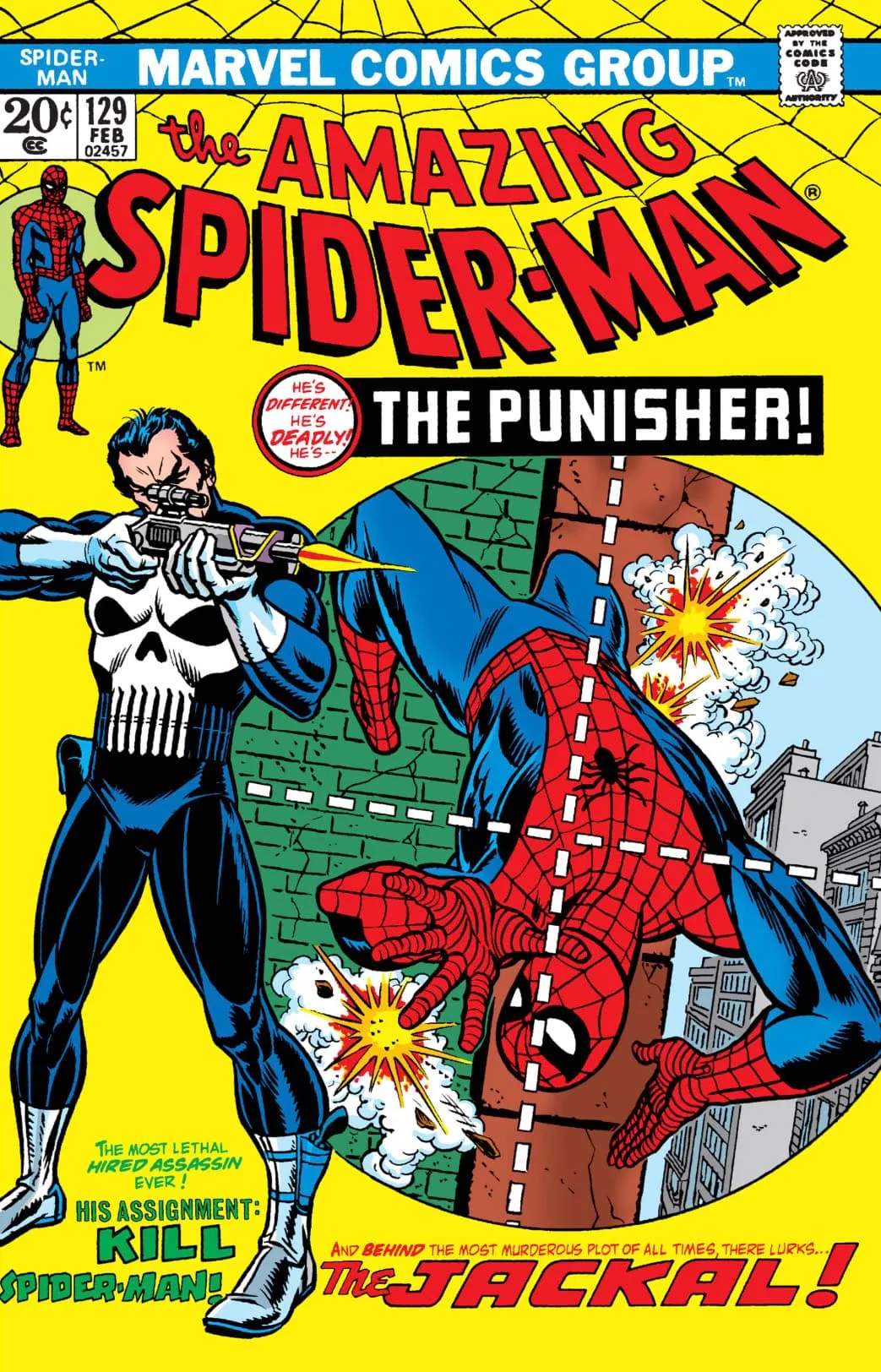
Conway’s time with the wall-crawler also introduced the Punisher in THE AMAZING SPIDER-MAN (1963) #129, created by Conway, John Romita, Sr., and Ross Andru. A vigilante hired by the Jackal to target Spider-Man and avenge Gwen Stacy, Frank Castle learned of the webslinger’s innocence and decided to focus his aim on taking down actual criminals. Working with Tony DeZuniga, Conway provided the tragic backstory for the Punisher in MARVEL PREVIEW (1975) #2, giving the anti-hero the origin story that fans know today.
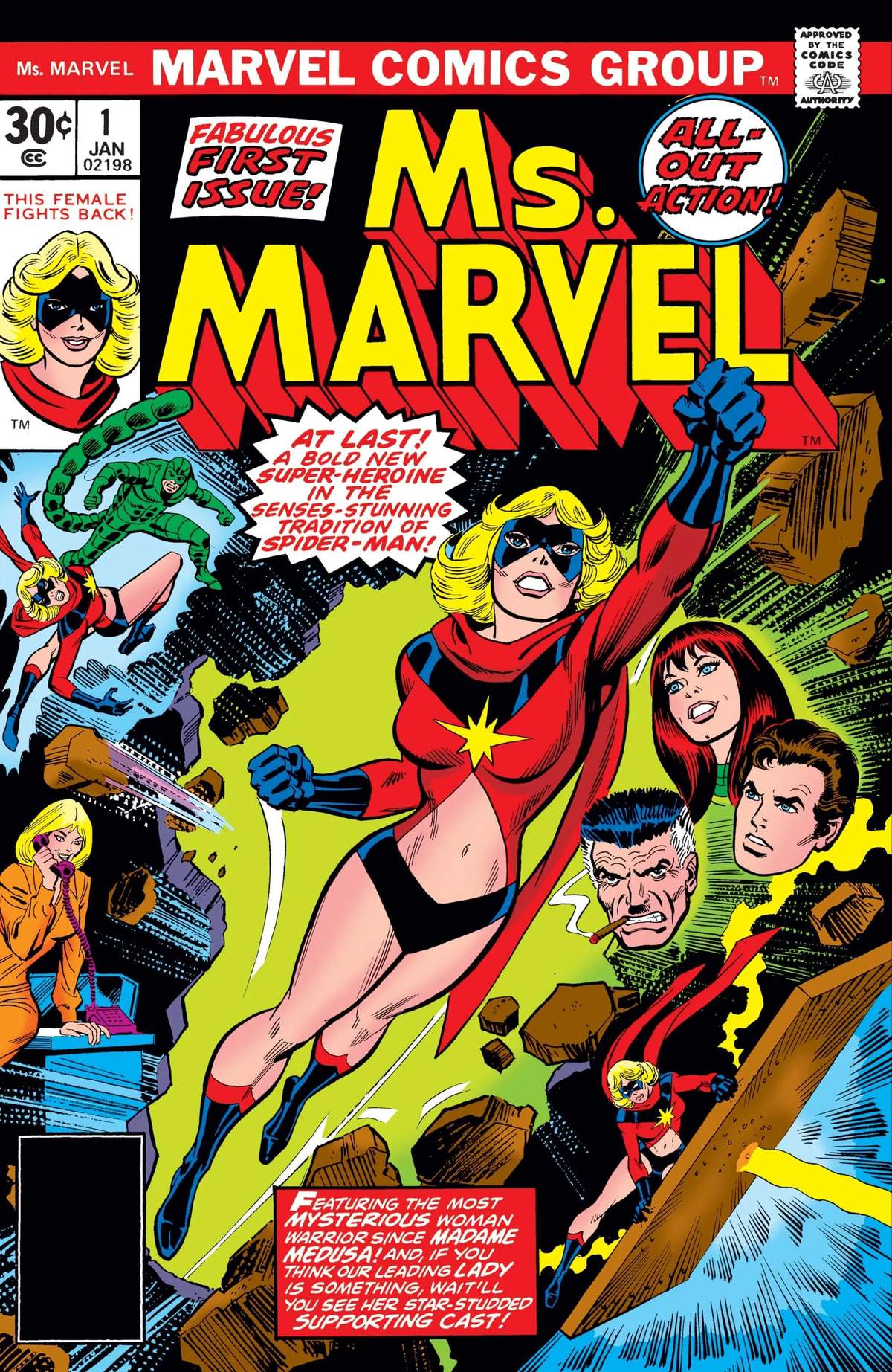
During his time at Marvel, Conway wrote on virtually every major title, ranging from FANTASTIC FOUR (1961), THOR (1966), AVENGERS (1963), and DEFENDERS (1972). One of the standouts in his writing career following THE AMAZING SPIDER-MAN (1963) was his work on MS. MARVEL (1977) #1, launching the series that repositioned Carol Danvers as her own cosmic hero. The series established Carol as one of the most powerful heroes in the Marvel Universe and laid the groundwork for her to eventually become Captain Marvel.
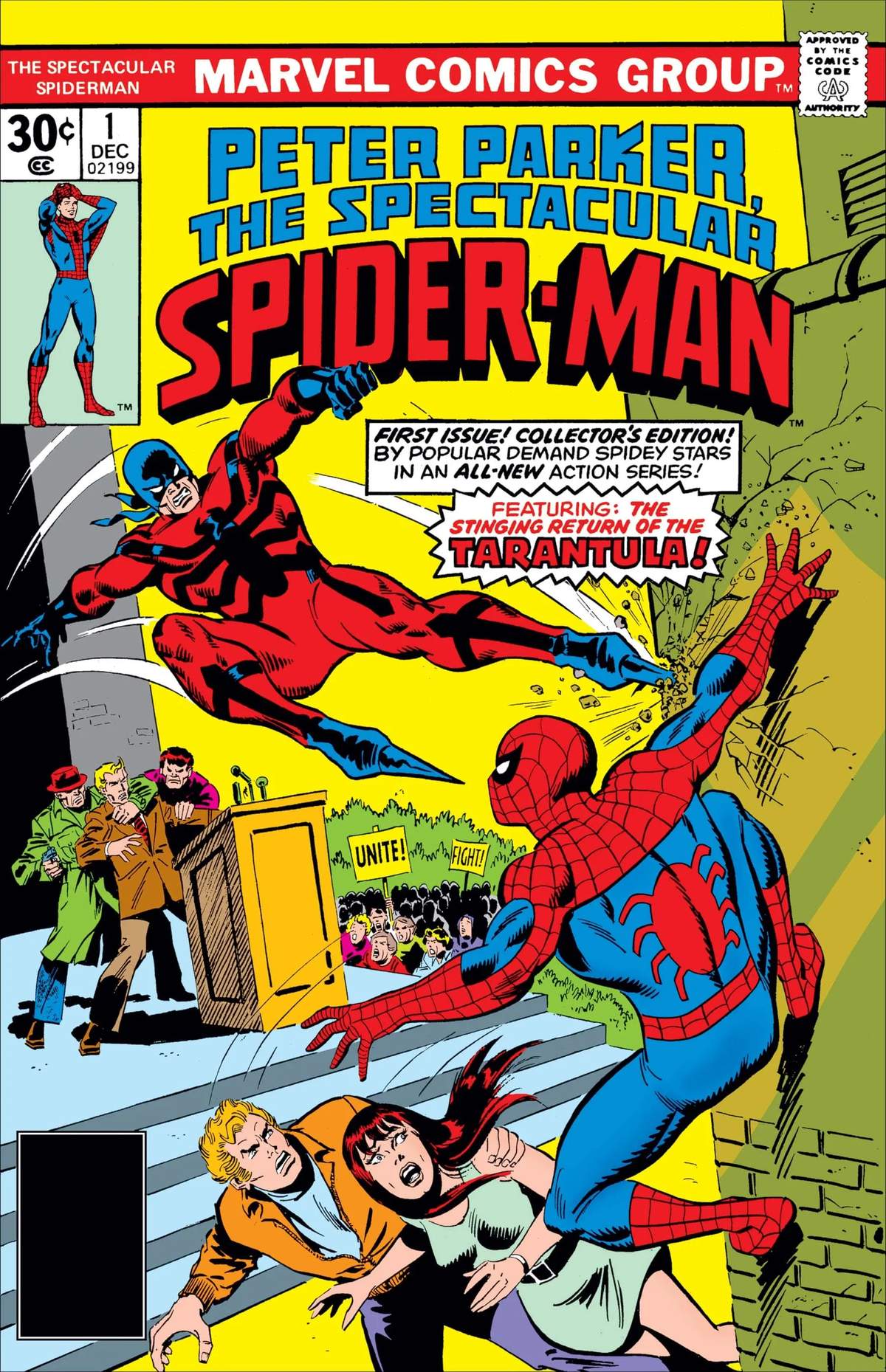
By the late ‘70s, Conway alternated between writing titles for Marvel and DC, continuing to create new adventures for the characters that he loved so much. He briefly served as Marvel Comics' editor-in-chief, but ultimately chose to focus on writing, returning to the world of Spider-Man as the series writer for both PETER PARKER, THE SPECTACULAR SPIDER-MAN (1976) and WEB OF SPIDER-MAN (1985). Conway’s last Marvel Comics credit was plotting the story for WHAT IF…? DARK: SPIDER-GWEN (2023) #1, offering an alternate universe riff on his past work in THE AMAZING SPIDER-MAN (1963) #121.
Between his grounded character depictions and his revitalization of the horror genre in mainstream comics, Gerry Conway pioneered more mature and sophisticated storytelling in the medium. No longer standing as complete escapism, Conway’s stories explored the consequences of Super Hero stories, giving characters like Peter Parker, Carol Danvers, and Harry Osborn greater nuance and emotional depth. Conway also incorporated more tragic characters into his stories with the Punisher, Man-Thing, and Werewolf by Night, telling tales that resonated with older audiences. And even as he raised the stakes of great power and great responsibility, Conway still brought a fun-loving flourish to many of his books.
Gerry Conway’s indelible legacy ushered in celebrated contributions to the comic book medium and Marvel’s history, redefining the way we see heroes and villains forever. The legendary writer is survived by his wife, Laura Conway. Marvel extends its deepest sympathies to Conway’s family, friends, and fans around the world.
The Daily Bugle
Can’t-miss news and updates from across the Marvel Universe!


Related


